
For field teams, a smartphone can be much more than a way to make calls. It can be the device used to access job management systems, scan assets, capture site information, navigate between locations, communicate with teams and send data back to the business.
Put that device into a mine site, service vehicle, warehouse, emergency response environment or remote field operation and the requirements change quickly.
This is where rugged phones come into their own. They combine the functionality expected from modern mobile technology with hardware designed for environments where dust, water, vibration, drops, temperature and long shifts are part of the job.
But durability is only one consideration. The right rugged phone needs to support the applications your teams rely on, maintain connectivity in the field, integrate with existing systems and accessories, and deliver the battery life, security and performance required throughout the working day.
What Should You Look for in a Rugged Phone?
Before comparing devices, get clear on what the phone needs to do. A field service technician may need reliable access to work orders, navigation, photos and customer records. A logistics team may need fast barcode scanning and real-time inventory updates. Emergency services may prioritise reliable connectivity, vehicle integration and a device that can withstand intensive use across long shifts.
The physical environment matters too. If a device will regularly encounter dust, water, vibration, extreme temperatures or drops, its IP rating, MIL-STD testing and operating specifications need to match those conditions. Our guide to rugged technology explains these ratings in more detail.
Then there are the practical requirements that can have just as much impact on day-to-day use: battery life, 5G and Wi-Fi connectivity, screen visibility, scanning capability, security, device management and compatibility with existing software.
At Roaming Technologies, we start with these requirements because they help narrow the field to devices that make sense for the operation, rather than simply recommending the highest-specification model.
Different Jobs Call for Different Rugged Phones
There is no single rugged smartphone that suits every business. Our range covers devices designed for different operating environments, connectivity requirements, data capture needs and enterprise applications. The right choice depends on what your team needs from the device.
Samsung Galaxy XCover7 Pro: A Familiar Smartphone Experience for Frontline Teams
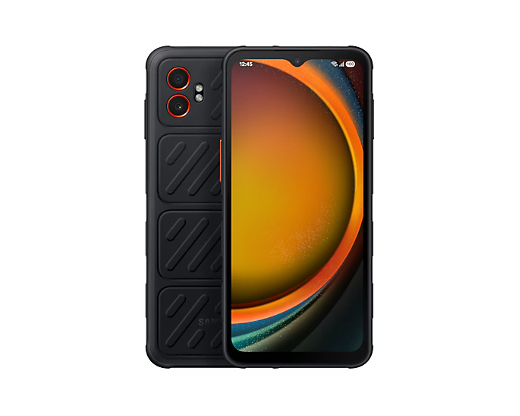
For businesses that want the familiarity of a Samsung smartphone in a more durable format, the Samsung Galaxy XCover7 Pro is designed for frontline and business use.
It combines 5G connectivity with a replaceable battery, Samsung’s enterprise security ecosystem and a rugged design.
This makes it worth considering for organisations that need a practical everyday business phone for employees moving between offices, vehicles, customer sites and more demanding field environments.
Zebra TC58: When Data Capture Is Central to the Job
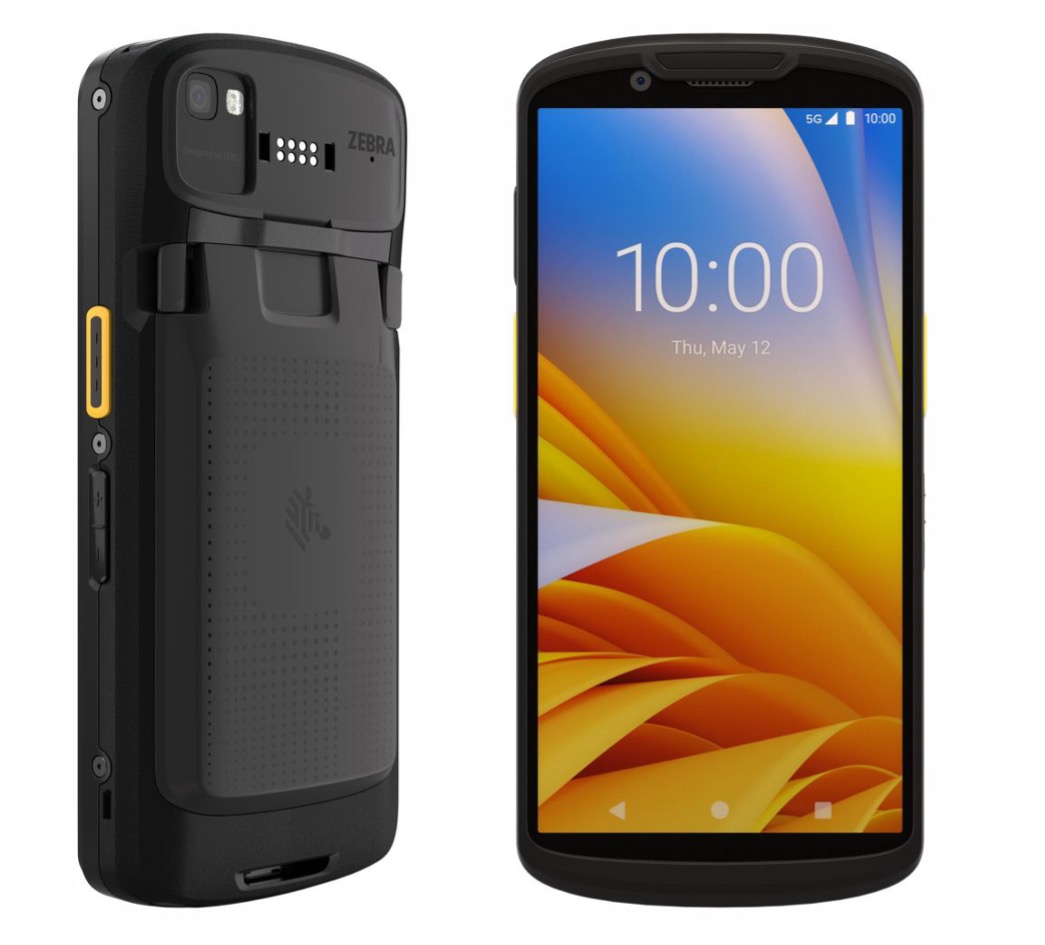
Some workflows require more than a conventional smartphone.
The Zebra TC58 combines 5G and Wi-Fi 6E connectivity with enterprise-grade barcode scanning and processing capabilities designed for frontline applications.
That distinction matters for teams using a mobile device to repeatedly scan assets, inventory, parcels or other barcodes throughout a shift. Instead of adding separate scanning hardware to a standard phone, the data capture capability is built into the device.
For logistics, warehousing, field service and other data-intensive operations, this can simplify the equipment employees need to carry and use.
Zebra TC78: Built for More Demanding Field Operations
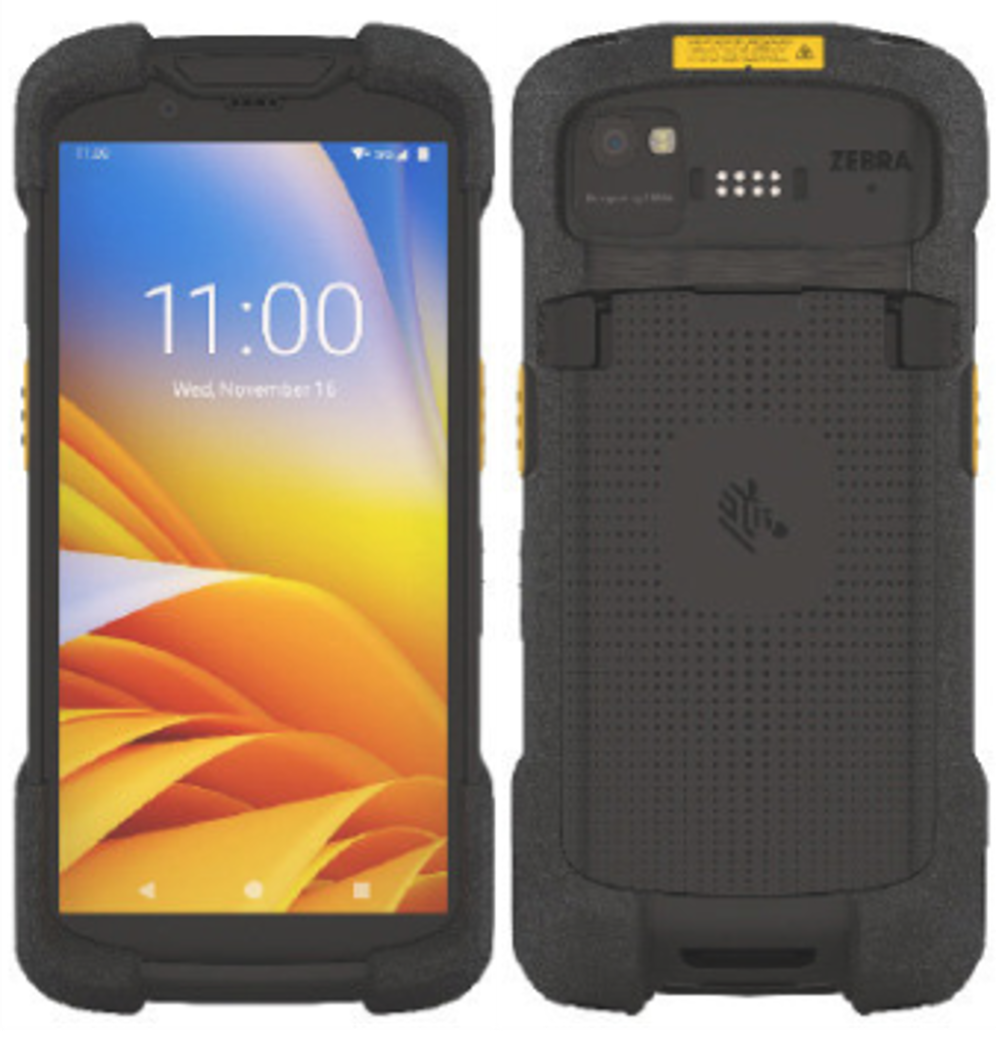
Where devices are exposed to harsher outdoor conditions, the requirements increase again.
The Zebra TC78 Fully Rugged Smartphone combines 5G, Wi-Fi 6E and enterprise scanning with IP65/IP68 protection and MIL-STD-810H testing.
It is designed for intensive field use, including applications such as delivery, field service and emergency response where reliable access to data and communications needs to continue despite demanding conditions.
These differences are why we recommend selecting a rugged phone around the application first. Paying for capabilities your workforce will never use adds little value. Choosing a device that falls short of the operating requirement can create a much more expensive problem once it is deployed at scale.
Look Beyond the Phone
For many organisations, selecting the handset is only part of the project.
Consider a rugged phone being rolled out across a fleet of service vehicles. The device may need a secure mounting position, continuous charging, easy access for the driver, compatibility with vehicle power and a consistent configuration across several vehicle types.
The same applies outside the vehicle. Teams may need additional batteries, charging equipment, scanning accessories or other rugged accessories to keep devices operational throughout a shift.
Planning these requirements together is particularly important when a deployment extends across dozens or hundreds of employees or vehicles.
Our Mobility Solutions team works across the device, mounting, charging and vehicle integration requirements so organisations can establish a configuration that can be deployed consistently across their operation.
Rugged and Intrinsically Safe Are Not the Same Thing
This is an important distinction for organisations operating in hazardous areas.
A rugged phone may be designed to withstand water, dust, drops and other harsh conditions, but that does not automatically make it suitable for an environment where flammable gases, vapours or combustible dust may be present.
These sites may require appropriately certified intrinsically safe phones and mobile devices.
If you are unsure which category applies to your operation, speak with our team before selecting a device. The environment and relevant certification requirements should determine the solution.
Choosing the Right Partner for Your Rugged Smartphone Solution
There is a considerable difference between supplying a phone and helping an organisation deploy the right mobile technology.
At Roaming Technologies, we have been working with rugged, semi-rugged and intrinsically safe technology since 2006. From our Perth headquarters and distribution centres in Melbourne, Sydney and Brisbane, we support organisations operating across Australia.
Our approach is focused on four areas.
Expert Guidance and Local Support
We help you compare devices against your operating environment, applications and deployment requirements. Our team can also assist with warranty and repair requirements after deployment, giving you a local point of contact throughout the device lifecycle.
Roaming Technologies is ISO 9001:2015 quality certified, with systems in place to support consistent delivery and service.
Comprehensive Range and Compatibility
We work across rugged mobile computers, smartphones, tablets, vehicle docks, mounts, charging equipment and other supporting technology.
That wider range allows us to consider compatibility from the outset, particularly where a rugged phone needs to form part of an existing fleet or technology environment.
Solutions Configured Around Your Requirements
A deployment of ten phones for a field team has different requirements from a national rollout across hundreds of vehicles.
We can help specify the devices, accessories, mounting and charging requirements around the scale and conditions of the deployment rather than forcing every organisation into the same configuration.
Custom Quotes for Your Deployment
If you are planning a larger rollout or have specific technical requirements, our team can prepare a custom quote based on the devices, quantities, accessories and wider solution required.
This also gives us an opportunity to review the requirement with you before equipment is ordered, particularly where compatibility, vehicle integration or specialist hardware needs to be considered.
Find the Right Rugged Phone for Your Operation
A good rugged phone should do more than survive harsh conditions. It needs to perform the tasks your team depends on, connect reliably, integrate with the technology around it and remain practical to support throughout its working life.
That is why we recommend starting with the job, the environment and the wider deployment requirements before choosing the hardware.
Explore our range of rugged phones and smartphones, or speak with the Roaming Technologies team about your requirements and request a custom quote.
Rugged Phone FAQs
What is a rugged phone?
A rugged phone is a mobile device designed to operate in conditions that can be difficult for standard consumer smartphones. Depending on the model, that can include greater resistance to drops, water, dust, vibration and temperature extremes.
Many enterprise rugged phones also include features designed specifically for frontline work, such as replaceable batteries, barcode scanning, programmable buttons and dedicated mounting and charging options.
What is the difference between a rugged phone and a standard smartphone?
The main difference is how the device is designed and tested for use in demanding environments.
A standard smartphone may be suitable for normal office and everyday use, while a rugged phone can offer greater protection against drops, water, dust, vibration and temperature extremes. Enterprise rugged devices may also provide longer support lifecycles and specialised scanning, battery and accessory options.
The appropriate choice depends on where the device will be used and what employees need it to do.
What do IP and MIL-STD ratings mean on rugged phones?
An IP rating describes the level of protection a device provides against solids and liquids, including dust and water.
MIL-STD testing can assess a device against environmental conditions such as shock, vibration and temperature. Not every device claiming MIL-STD compliance has necessarily undergone the same tests, so it is important to review the specific testing behind the model.
You can read more in our guide to rugged device standards.
Are rugged phones waterproof?
Not necessarily. Water resistance depends on the individual device and its IP rating.
If water exposure is a known part of the operating environment, check the specific IP rating and manufacturer guidance rather than relying on the term “rugged” alone.
Which industries use rugged phones?
Rugged phones are commonly used where employees need reliable mobile access away from a conventional office environment. This includes mining, transport and logistics, utilities, emergency services, government, field service, warehousing and industrial operations.
The required device can vary significantly between these applications, which is why the operating environment and workflow should be assessed before choosing a model.
Can rugged phones integrate with existing business systems?
Yes, depending on the device, operating system and software requirements.
Rugged smartphones can support business applications, mobile device management platforms, communications systems, barcode scanning and other enterprise technology. Where specialised software or peripherals are involved, compatibility should be confirmed before deployment.
What is the difference between a rugged phone and an intrinsically safe phone?
Ruggedness relates to a device’s ability to withstand physical and environmental conditions. Intrinsic safety relates to whether equipment is appropriately designed and certified for use in particular hazardous environments.
A rugged device is therefore not automatically intrinsically safe. Organisations operating in hazardous areas should review the relevant certification requirements and select an appropriate intrinsically safe device.
Can Roaming Technologies provide a custom quote for rugged phones?
Yes. If you know what you need, we can quote on the required devices and quantities. If you are still determining the right configuration, our team can work through your environment, applications, accessories and deployment requirements before preparing a custom quote.